
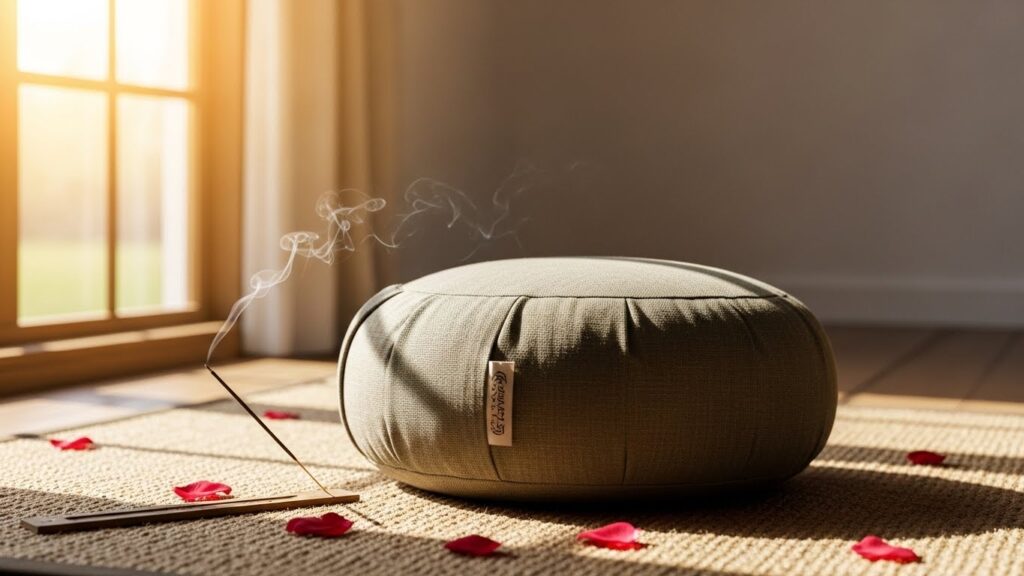
Meditation is often described as a practice of stillness, but anyone who has tried to sit quietly for more than a few minutes knows that physical comfort plays a powerful role in mental focus. When the body is uncomfortable, the mind rarely stays calm. This is where a meditation cushion becomes more than just a simple accessory—it becomes a supportive partner in your mindfulness journey.
A meditation cushion is designed to help the body settle into a posture that feels both stable and relaxed. By supporting the hips, spine, and legs, it allows attention to move away from physical strain and toward awareness, breath, and presence.
What Is a Meditation Cushion?
A meditation cushion is a specially designed seat used during meditation or mindfulness practices. Unlike ordinary pillows or chairs, it is structured to support proper posture while sitting on the floor. Most meditation cushions slightly elevate the hips, making it easier to keep the spine naturally upright.
This small adjustment can make a significant difference. When the pelvis tilts forward gently, the lower back relaxes, the chest opens, and breathing becomes more natural. Over time, this alignment reduces discomfort and helps maintain stillness for longer periods.
Meditation cushions are commonly used in practices such as mindfulness meditation, Zen meditation, yoga, and breathwork, but they are suitable for anyone seeking comfort while sitting on the floor.
Why Comfort Matters in Meditation
Meditation is not about enduring pain. While some discomfort is normal when building a practice, unnecessary physical strain can become a distraction. A meditation cushion helps remove that barrier.
When the body feels supported, the nervous system relaxes. This physical ease signals safety to the brain, making it easier to focus inward. Instead of constantly shifting position or thinking about aching knees or a sore back, attention can remain on the breath or the present moment.
Comfort also encourages consistency. When meditation feels physically manageable, people are more likely to practice regularly, which is where the true benefits of meditation begin to unfold.
The Role of Posture and Alignment
Proper posture is essential for effective meditation, and a meditation cushion plays a key role in maintaining it. Sitting directly on the floor without support can cause the pelvis to tilt backward, rounding the spine and straining the lower back.
A cushion raises the hips slightly above the knees, allowing the spine to stack naturally. This alignment supports alertness without tension. The head feels balanced, shoulders soften, and breathing flows more freely.
Good posture does not mean stiffness. A meditation cushion helps create a posture that feels relaxed yet stable, making it easier to stay present without collapsing or forcing the body into an unnatural position.
Types of Meditation Cushions
Meditation cushions come in various shapes, each designed to suit different bodies and preferences. Round cushions are often used for cross-legged sitting and provide even support. Crescent-shaped cushions allow space for the feet, making them comfortable for people with tight hips.
Some cushions are firmer, offering strong support, while others are softer for those who prefer a more cushioned feel. The filling may include natural materials that adapt to body weight, creating a personalized sitting surface over time.
Choosing the right meditation cushion is a personal decision. What matters most is how supported and balanced you feel while using it.
Supporting Beginners and Experienced Practitioners Alike
Meditation cushions are especially helpful for beginners who may struggle with floor sitting. Without support, newcomers often feel discouraged by discomfort, mistaking physical pain for a lack of ability. A cushion removes this unnecessary obstacle.
For experienced meditators, a cushion helps maintain consistency during longer sessions. As meditation deepens, subtle discomforts become more noticeable, and proper support allows attention to remain inward without distraction.
Regardless of experience level, a meditation cushion adapts to the practitioner, making meditation more accessible and sustainable.
Mental Benefits of Using a Meditation Cushion
Although a meditation cushion primarily supports the body, its effects extend to the mind. When the body feels grounded, the mind often follows. This sense of stability creates a foundation for calm awareness.
Using a dedicated meditation cushion also builds ritual. Sitting on the same cushion each day signals the brain that it is time to slow down and turn inward. This association can make it easier to enter a meditative state more quickly.
Over time, the cushion becomes part of the practice itself—a familiar, reassuring presence that supports mindfulness and emotional balance.
Meditation Cushion and Mindful Living
A meditation cushion represents more than comfort; it reflects intention. Choosing to sit on a cushion instead of a couch or bed is a conscious decision to show up for oneself. It creates a small, sacred space dedicated to awareness and self-care.
This intention often extends beyond meditation sessions. The act of slowing down, sitting intentionally, and listening inward can influence daily life, encouraging patience, clarity, and presence.
In this way, a meditation cushion supports not just meditation, but mindful living as a whole.
Caring for Your Meditation Cushion
A meditation cushion is designed for regular use and can last for years with simple care. Keeping it clean and stored in a dry space helps maintain its shape and comfort. Over time, the cushion may soften slightly, adapting to your body.
This gradual change mirrors the meditation journey itself—steady, subtle, and shaped by consistency. Many practitioners develop a strong attachment to their cushion because it becomes a witness to their practice, growth, and moments of stillness.
Creating a Personal Meditation Space
Adding a meditation cushion to a quiet corner of your home can transform the environment. Even a small space becomes meaningful when it is dedicated to stillness and reflection.
A cushion placed intentionally invites you to sit, breathe, and pause. It removes excuses and creates a visible reminder to practice, even on busy days.
This simplicity is part of its beauty. A meditation cushion does not demand anything; it simply offers support.
Final Thoughts
A meditation cushion may seem like a small detail, but its impact on meditation practice is significant. By supporting posture, reducing discomfort, and encouraging consistency, it helps create the conditions needed for deeper awareness and calm.
Meditation is ultimately about returning to yourself. A meditation cushion gently supports that return, offering comfort without distraction and stability without force. Whether you are just beginning or deep into your practice, this simple tool can make sitting still feel more natural—and more meaningful.