
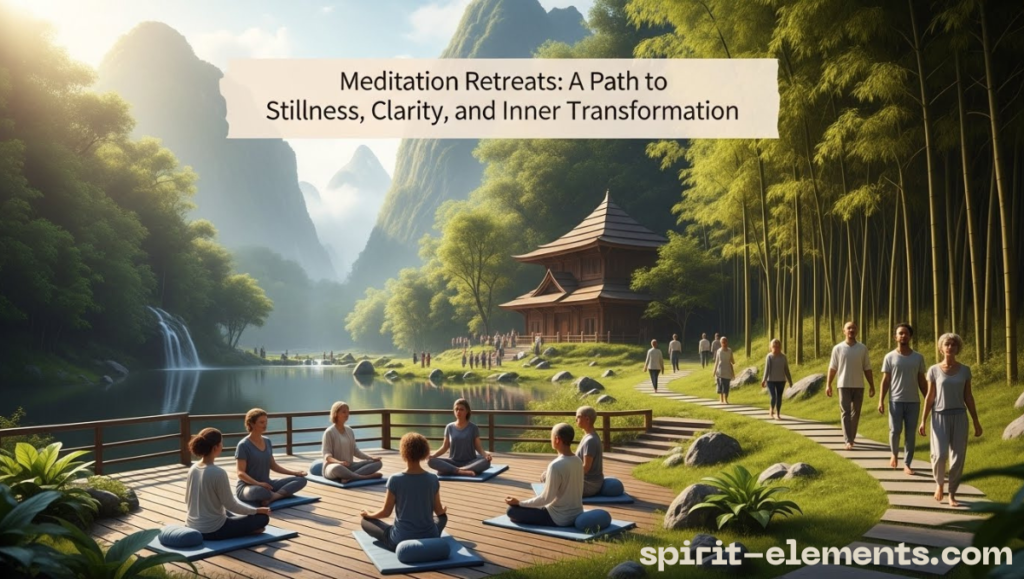
In an age defined by constant noise, digital overload, and mental fatigue, many people are turning inward in search of calm and clarity. Meditation retreats offer a rare opportunity to step away from daily distractions and immerse fully in the practice of mindfulness and self-awareness. More than a vacation, a meditation retreat is an intentional pause—designed to quiet the mind, deepen understanding, and cultivate lasting inner peace.
As interest in mental well-being continues to grow, meditation retreats have become a powerful tool for personal transformation.
What Is a Meditation Retreat?
A meditation retreat is a structured experience where participants dedicate focused time to meditation and contemplative practices. Retreats can last from a single weekend to several weeks and are typically held in tranquil environments such as mountains, forests, monasteries, or coastal settings.
Unlike everyday meditation routines, retreats provide extended periods of silence, guidance, and consistency, allowing participants to explore meditation at a deeper level.
Why People Choose Meditation Retreats
Stepping Away from Mental Overload
Modern life demands constant attention—emails, notifications, deadlines, and social obligations leave little room for stillness. Meditation retreats remove these distractions, offering a simplified environment where the mind can finally slow down.
This mental reset is often one of the most profound benefits participants experience.
Deepening Personal Practice
For those who already meditate, retreats provide the structure and guidance needed to advance their practice. For beginners, they offer a supportive introduction free from daily interruptions.
In both cases, immersion leads to insight and growth.
Types of Meditation Retreats
Silent Meditation Retreats
Silent retreats emphasize minimal communication, allowing participants to focus fully inward. Silence reduces external stimulation and encourages deep observation of thoughts, emotions, and sensations.
These retreats are often intense but deeply transformative.
Mindfulness Retreats
Mindfulness retreats focus on present-moment awareness through meditation, gentle movement, and daily activities performed with intention. They are well-suited for beginners and those seeking stress reduction.
Spiritual or Traditional Retreats
Some retreats are rooted in specific traditions such as Buddhist, Zen, or Vipassana meditation. These programs often include teachings, rituals, and ethical frameworks that support spiritual development.
The Benefits of Meditation Retreats
Mental Clarity and Emotional Balance
Extended meditation helps quiet mental chatter and increase emotional awareness. Many participants report feeling calmer, more focused, and better equipped to manage stress after a retreat.
Physical Relaxation
Meditation supports the body’s natural relaxation response. Combined with simple routines and mindful movement, retreats can improve sleep, reduce tension, and enhance overall well-being.
Greater Self-Awareness
Time spent in stillness reveals patterns of thought and behavior that often go unnoticed in daily life. This awareness can lead to lasting personal insight and positive change.
What to Expect During a Meditation Retreat
Most meditation retreats follow a structured daily schedule that balances practice with rest. A typical day may include:
-
Guided and silent meditation sessions
-
Teachings or group reflections
-
Mindful walking or light movement
-
Simple, nourishing meals
-
Periods of silence or personal reflection
The simplicity of the routine supports mental focus and presence.
Challenges and Growth
Meditation retreats can be challenging, especially for first-time participants. Sitting with thoughts and emotions without distraction can feel uncomfortable at first. However, this discomfort often becomes a gateway to growth.
With guidance and patience, participants learn to observe rather than react, developing resilience and compassion toward themselves.
Choosing the Right Meditation Retreat
Define Your Goals
Some retreats emphasize relaxation, while others focus on discipline and deep insight. Clarifying your intention—whether stress relief, spiritual growth, or mental clarity—will help you choose the right program.
Consider Length and Environment
Short retreats are ideal for beginners, while longer retreats offer deeper immersion. The setting also matters; natural surroundings often enhance the sense of calm and focus.
Research the Teachers
Experienced and ethical teachers play a crucial role in a retreat’s effectiveness. Look for programs with clear descriptions, experienced facilitators, and transparent expectations.
Integrating Retreat Lessons into Daily Life
The true value of a meditation retreat lies in how its lessons are applied afterward. Many participants return home with:
-
A consistent meditation habit
-
Improved emotional regulation
-
Greater patience and awareness
Even small daily practices can help sustain the benefits long after the retreat ends.
Conclusion
Meditation retreats offer a powerful opportunity to reconnect with stillness in a fast-paced world. By creating space for silence, reflection, and mindful awareness, they support deep mental, emotional, and spiritual renewal.
Whether you are new to meditation or seeking to deepen your practice, a meditation retreat can be a transformative journey—one that continues to unfold long after the retreat itself is over.