In the world of Dungeons & Dragons Fifth Edition, few spells combine flavor, reliability, and tactical value as effectively as Spiritual Weapon. Loved by clerics and respected by Dungeon Masters, this spell represents divine power made manifest—striking enemies without requiring constant focus or concentration. More than just a source of damage, Spiritual Weapon 5e embodies the will of a deity and the strategic mind of the caster.
Understanding how and when to use this spell can significantly elevate a character’s effectiveness in combat, while also adding depth to role-play and storytelling.
What Is Spiritual Weapon in 5e?
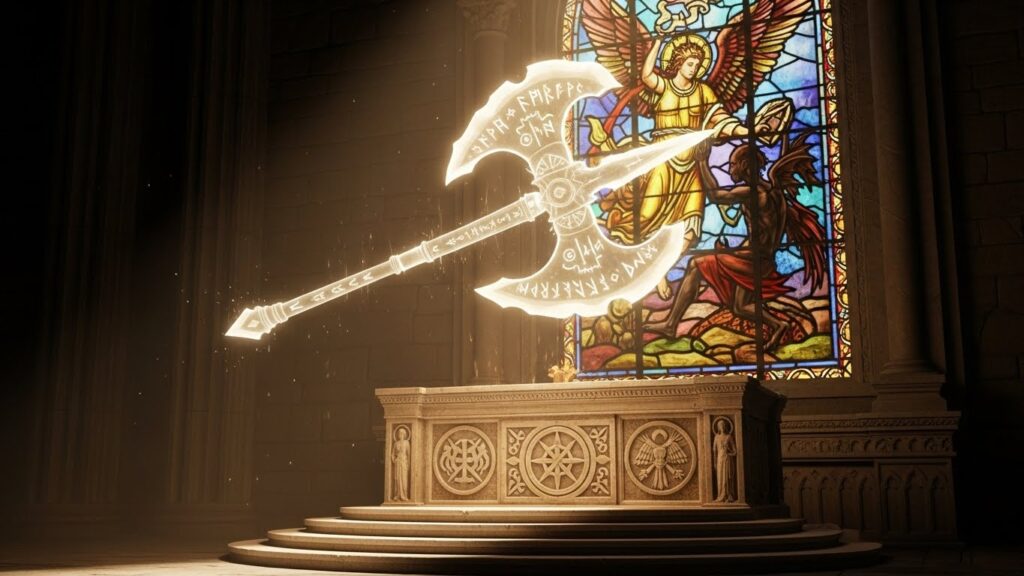
Spiritual Weapon is a 2nd-level evocation spell available primarily to clerics. When cast, it creates a floating, spectral weapon that attacks enemies at the caster’s command. The weapon appears within range and strikes immediately, then can be moved and used again on subsequent turns.
One of the most defining traits of Spiritual Weapon is that it does not require concentration. This single feature sets it apart from many other combat spells and makes it a cornerstone of efficient spellcasting.
The spell manifests as a weapon tied to the cleric’s faith. Its form is flexible and can reflect the deity, culture, or personal beliefs of the caster.
Why Spiritual Weapon Is So Popular
Spiritual Weapon 5e is often praised because it offers consistent damage with minimal cost. Once cast, it allows the cleric to continue dealing damage every round using a bonus action, freeing their main action for other spells, attacks, or support abilities.
This efficiency makes it especially valuable in longer encounters. While other spells might fade quickly or demand concentration, Spiritual Weapon remains active without competing for mental focus.
It also scales well when cast using higher-level spell slots, making it useful well beyond early gameplay.
Mechanics and Core Features
When casting Spiritual Weapon, the caster creates a spectral weapon within 60 feet. The weapon makes a melee spell attack against a creature within 5 feet of it. On a hit, it deals force damage, which is one of the least resisted damage types in the game.
On subsequent turns, the caster can move the weapon up to 20 feet and attack again using a bonus action. The spell lasts for one minute, allowing up to ten potential attacks if used consistently.
Because it uses a bonus action, it pairs extremely well with other actions such as casting cantrips, healing allies, or controlling the battlefield.
Damage Type and Reliability
Force damage is a major advantage of Spiritual Weapon 5e. Many creatures resist elemental damage like fire or cold, but very few resist force. This makes the spell reliable across a wide range of enemies, from undead to extraplanar beings.
Additionally, the attack roll uses the caster’s spell attack modifier, meaning clerics with high Wisdom gain consistent accuracy. This reliability makes Spiritual Weapon a safe and dependable choice in uncertain encounters.
Scaling with Higher Spell Slots
Spiritual Weapon grows stronger when cast using higher-level spell slots. Each slot above 2nd level increases the damage dealt by the weapon. This scaling ensures the spell remains relevant throughout a campaign.
Unlike many spells that lose effectiveness at higher levels, Spiritual Weapon remains a competitive option, especially when spell slots are limited or concentration is already committed to another powerful effect.
This scalability makes it a smart choice for resource management, especially during long adventuring days.
Tactical Uses in Combat
From a tactical standpoint, Spiritual Weapon offers flexibility. Because it is not tied to the caster’s physical location, it can be used to harass enemies across the battlefield. It can chase fleeing foes, pressure spellcasters, or finish off weakened enemies.
The spell is especially effective when combined with battlefield control. While enemies are restrained, slowed, or distracted, Spiritual Weapon continues to strike reliably.
It also shines in situations where the cleric needs to remain defensive. The caster can stay behind cover or protect allies while the spectral weapon engages the enemy directly.
Synergy with Cleric Playstyles
Spiritual Weapon 5e fits seamlessly into almost every cleric archetype. Support-focused clerics benefit from its bonus action damage while focusing their main actions on healing and buffs. Combat-oriented clerics use it to increase overall damage output without sacrificing defense.
Because it does not require concentration, it pairs exceptionally well with spells like Bless, Spirit Guardians, or Shield of Faith. This synergy allows clerics to maintain multiple layers of influence over the battlefield at once.
The spell supports both aggressive and defensive playstyles, making it one of the most versatile tools in a cleric’s arsenal.
Role-Playing and Flavor Potential
Beyond mechanics, Spiritual Weapon offers rich role-playing opportunities. The appearance of the weapon can reflect the caster’s deity, personal history, or cultural background. A war-focused god might manifest a massive hammer, while a god of light could create a radiant blade.
Some players describe the weapon as semi-sentient, moving with divine purpose. Others treat it as a silent symbol of faith, appearing only when judgment is required.
Dungeon Masters can also use Spiritual Weapon as a storytelling tool, tying its appearance or behavior to divine favor, omens, or character development.
Common Mistakes to Avoid
One common mistake players make is forgetting that Spiritual Weapon requires a bonus action to attack on subsequent turns. Planning turns carefully ensures maximum value from the spell.
Another mistake is underestimating positioning. The weapon has limited movement each turn, so placing it strategically when first cast is important.
Players should also remember that while the weapon can move through occupied spaces, it still needs to remain within range of targets to attack effectively.
Spiritual Weapon vs Other Damage Options
Compared to direct damage spells, Spiritual Weapon excels in sustained output rather than burst damage. It may not deal massive damage in a single round, but over time it often outperforms many alternatives.
When compared to weapon attacks, it offers magical reliability without exposing the caster to danger. This makes it especially valuable for clerics who prefer to stay out of melee range.
Its consistency, efficiency, and lack of concentration cost place it among the most cost-effective combat spells in 5e.
Final Thoughts
Spiritual Weapon 5e is more than just a spell—it is a perfect example of thoughtful game design. It rewards planning, supports diverse playstyles, and adds both mechanical and narrative depth to the game.
Whether you are a new cleric learning the basics or an experienced player refining advanced tactics, Spiritual Weapon remains a dependable and satisfying choice. Its blend of divine flavor, strategic flexibility, and consistent damage ensures it will remain a favorite across tables and campaigns.
In a game where every action matters, Spiritual Weapon stands as a quiet, relentless expression of faith—striking true while the caster focuses on the greater battle.