
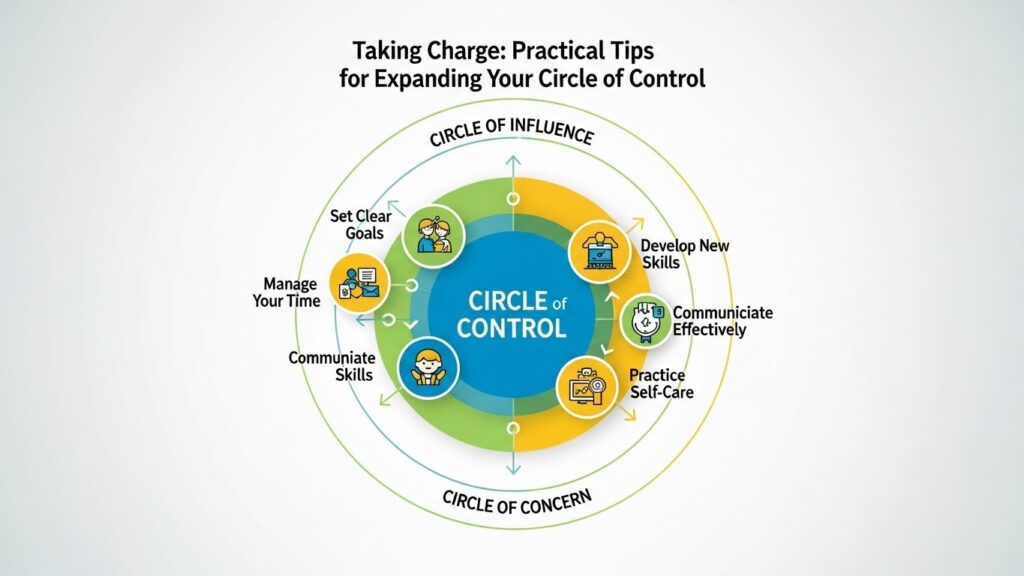
Life can often feel overwhelming, with countless factors influencing our happiness and success. Amidst the chaos, many of us struggle to find a sense of control. Enter the concept of the Circle of Control—a powerful tool that helps you focus on what truly matters. By understanding this circle, you can take charge of your life in meaningful ways.
Imagine being able to navigate challenges without feeling at the mercy of external circumstances! Expanding your Circle of Control means recognizing where your influence lies and actively working within those boundaries. This blog post will guide you through practical strategies for taking charge, eliminating distractions from outside forces, and fostering a mindset that empowers you to make lasting changes.
Let’s explore how small shifts can lead to significant improvements in both your personal and professional life!
Understanding the Circle of Control
The Circle of Control is a concept that distinguishes between what we can influence and what we cannot. At its core, it encourages self-awareness and accountability.
Imagine a simple circle drawn on paper. Inside this circle are the aspects of life you have direct power over—your actions, reactions, decisions, and attitudes. Outside this circle lies everything else: other people’s opinions, the weather, or global events.
Understanding your Circle of Control helps clarify where to invest your energy. You might find yourself worrying about factors beyond your reach while neglecting those within grasp. By focusing inwardly, you empower yourself to make meaningful changes in areas that truly matter.
Recognizing these boundaries can reduce stress and enhance personal growth. Embracing this framework allows for a more intentional approach to life’s challenges, setting the stage for positive transformation.
The Importance of Expanding Your Circle of Control
Expanding your circle of control is crucial for personal empowerment. When you focus on what you can influence, it fosters a sense of agency over your life.
This shift transforms challenges into opportunities. It encourages proactive behavior rather than passive reactions. The more you recognize areas where you hold power, the greater your confidence grows.
Moreover, an enlarged circle of control helps reduce anxiety and stress. Worry often stems from feeling overwhelmed by external factors beyond our reach. By concentrating on actionable steps, you cultivate resilience.
In relationships and work environments, this mindset promotes collaboration and problem-solving. Engaging with situations constructively leads to positive outcomes and stronger connections with others.
Investing time in self-awareness allows you to discern which aspects are truly manageable versus those that drain energy without reward. This clarity lays the groundwork for meaningful growth and fulfillment in various aspects of life.
Identifying and Eliminating Factors Outside of Your Control
Life is filled with variables that often feel overwhelming. Recognizing what lies outside your control can be liberating.
Start by taking a step back. List the aspects of your life causing stress or frustration. Is it the weather? Other people’s opinions? These are elements you can’t change.
Next, practice acceptance. Embrace the reality that some things simply aren’t yours to manage. This shift in mindset frees up mental energy for what truly matters.
Consider setting boundaries around influences that drain you emotionally. If social media triggers anxiety, limit your time on those platforms.
Focus on actions and choices within your reach instead of fixating on external uncertainties. Redirecting attention can transform how you experience challenges and enhance personal growth without unnecessary distractions.
Strategies for Adding to Your Circle of Control
Expanding your Circle of Control starts with small, actionable steps. Begin by setting specific goals that align with your values. These should be attainable yet challenging enough to push you beyond your comfort zone.
Next, practice proactive problem-solving. When faced with challenges, ask yourself what actions you can take rather than dwelling on circumstances beyond your control. This shift in focus empowers you to tackle issues head-on.
Another effective strategy is enhancing your skills through continuous learning. Whether it’s enrolling in a course or picking up a new hobby, each skill adds another layer to what you can influence.
Networking also plays a crucial role. Surround yourself with individuals who inspire and motivate you; their energy can help expand not just knowledge but opportunities as well.
Maintain an adaptable mindset. Embrace change and remain open to adjusting plans as needed while keeping your focus on what truly matters within your control.
Mindset Shifts for Taking Charge of Your Life
A shift in mindset is the first step toward taking charge of your life. Embrace a proactive attitude. Instead of waiting for change, seek opportunities to create it.
Challenge negative self-talk. Replace thoughts like “I can’t” with “I’ll try.” This simple switch can open doors you never thought possible.
Adopt a growth mindset. Recognize that skills and intelligence can be developed through effort and learning. View challenges as chances to grow rather than obstacles.
Practice gratitude daily. Focusing on what you appreciate shifts your perspective, allowing you to see possibilities instead of limitations.
Surround yourself with positive influences. The people around you play a significant role in shaping your thoughts and behaviors. Choose those who inspire and uplift you, fostering an environment where accountability thrives.
Remember that taking charge means making choices aligned with your values and goals, no matter how small they may seem at first.
The Power of Small Changes
Small changes can have a profound impact on your life. Often, we overlook the power of minor adjustments because they seem insignificant at first glance. However, these little steps accumulate over time, leading to substantial transformations.
Consider daily habits. A decision to drink an extra glass of water or take a brief walk during lunch can enhance your physical and mental well-being. These small acts contribute to long-term health benefits that are hard to ignore.
Moreover, small changes in mindset can shift how you perceive challenges. Replacing negative thoughts with positive affirmations creates a ripple effect in your confidence and resilience.
Implementing tiny tweaks in relationships also fosters deeper connections. A simple “thank you” or active listening shows others you care and opens doors for more meaningful interactions.
Embracing small changes is about recognizing their potential to pave the way for larger shifts in your circle of control. Each step counts on this journey toward empowerment.
Maintaining a Healthy Balance Between Control and Letting Go
Finding harmony between control and letting go can be a delicate dance. It’s essential to recognize when your efforts become counterproductive. Holding on too tightly can lead to stress, anxiety, and burnout.
Letting go doesn’t mean surrendering completely. It’s about understanding what truly warrants your energy and focus. Embrace the idea that not everything is within your grasp. This realization can be liberating.
Practicing mindfulness helps you stay present in situations where control feels elusive. Acknowledge your feelings without judgment, allowing you to release the need for perfection.
Set boundaries around areas where you exert influence while accepting those beyond reach. Balance comes from clear priorities; it’s about discerning what needs action versus what requires acceptance.
Cultivate patience with yourself during this process. Growth takes time, but maintaining a healthy balance will foster resilience as you navigate life’s uncertainties more gracefully.
Conclusion
Taking charge of your life starts with understanding and expanding your circle of control. By recognizing what you can influence and letting go of what you cannot, you create space for growth and empowerment.
Eliminating factors that drain your energy allows you to focus on areas where positive change is possible. Small strategies can lead to significant shifts in how you perceive challenges, helping enhance both confidence and resilience.
Adopting a proactive mindset is crucial as it encourages adaptability and creativity in the face of life’s unpredictability. Remember, even minor adjustments can have a profound impact when consistently applied over time.
Finding balance between controlling aspects of your life while learning to let go is key to maintaining mental well-being. This harmony contributes not only to personal satisfaction but also fosters healthier relationships and better decision-making.
Expanding your circle of control ultimately empowers you to live more intentionally. Embrace the journey ahead—each step makes a difference toward taking full charge of your own narrative.